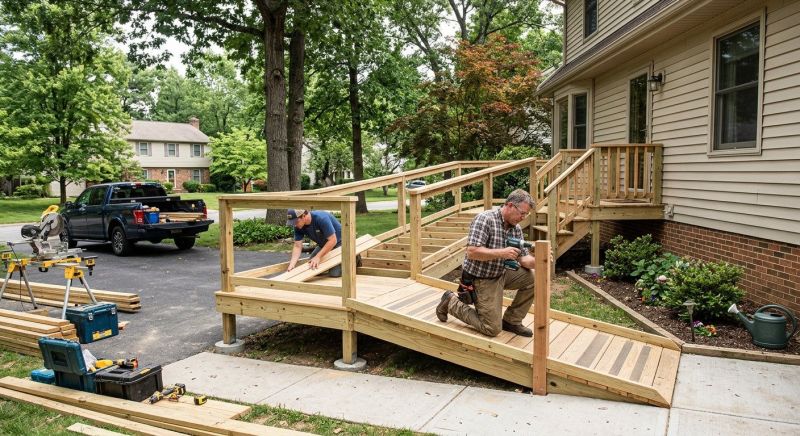
Wheelchair Ramp Replacement in Wilmington, NC
Wheelchair ramp replacement services involve removing existing ramps and installing new, safer, and more accessible options for property owners in Wilmington, NC, and nearby areas. These projects typically include replacing worn or damaged ramps, upgrading to more durable materials, or modifying existing structures to better meet accessibility needs. Homeowners often request this service when current ramps are no longer safe, do not comply with accessibility standards, or simply no longer suit their property’s layout. Understanding the scope of the replacement, the types of materials used, and the specific accessibility requirements can help property owners make informed decisions before requesting a service.
Before requesting wheelchair ramp replacement, property owners should consider the current condition of their existing ramps, including any structural damage or safety concerns. It’s also helpful to evaluate the intended use, the height of entry points, and any local building codes or accessibility guidelines that may apply. Clarifying these details can ensure the new ramp installation aligns with safety standards, fits the property’s design, and meets the mobility needs of residents or visitors. Proper planning can lead to a smoother replacement process and a more functional, long-lasting solution.
Many property owners in Wilmington, NC look into Wheelchair Ramp Replacement for repairs, replacements, upgrades, and appearance-related improvements.
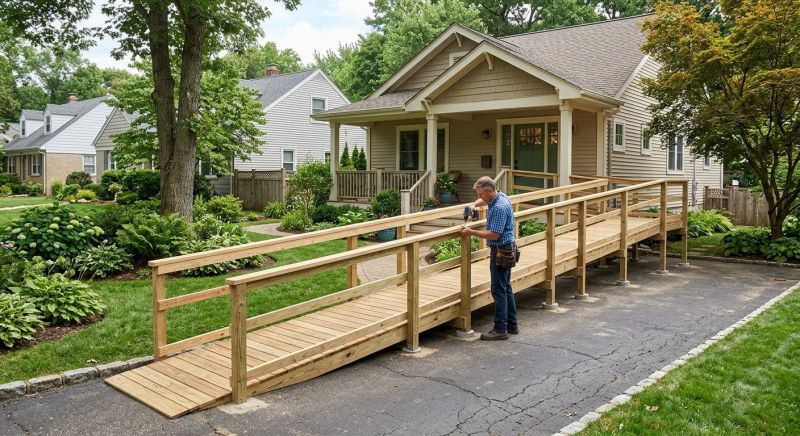
Safe And Accessible Entrances
Replacing worn or damaged wheelchair ramps ensures safe entry and exit for all users.
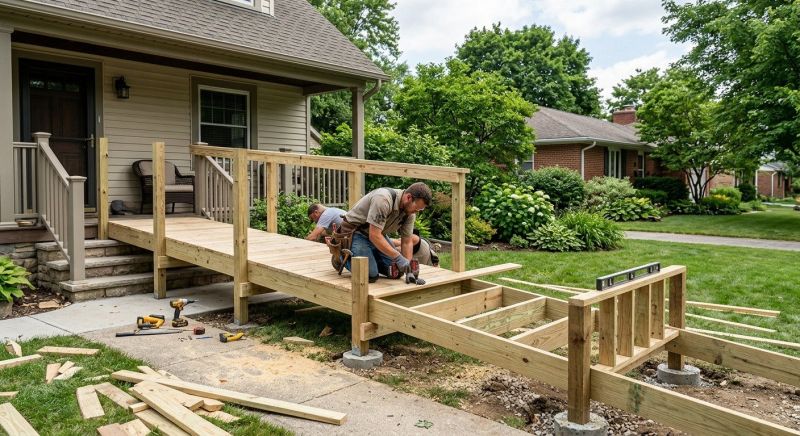
Customized Ramp Solutions
Services include designing and installing ramps that fit the specific needs of wilmington homes and properties.
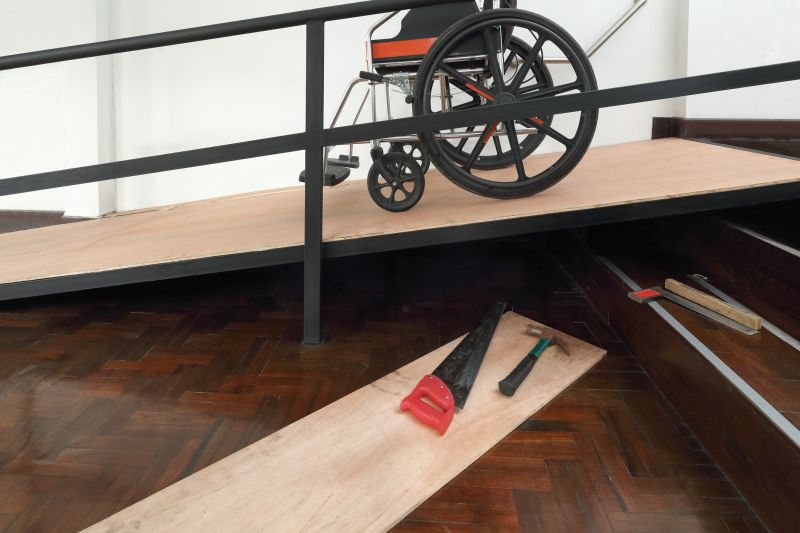
Enhancing Property Accessibility
Upgrading existing ramps can improve mobility and convenience for residents and visitors alike.
Wheelchair Ramp Replacement in Wilmington, NC
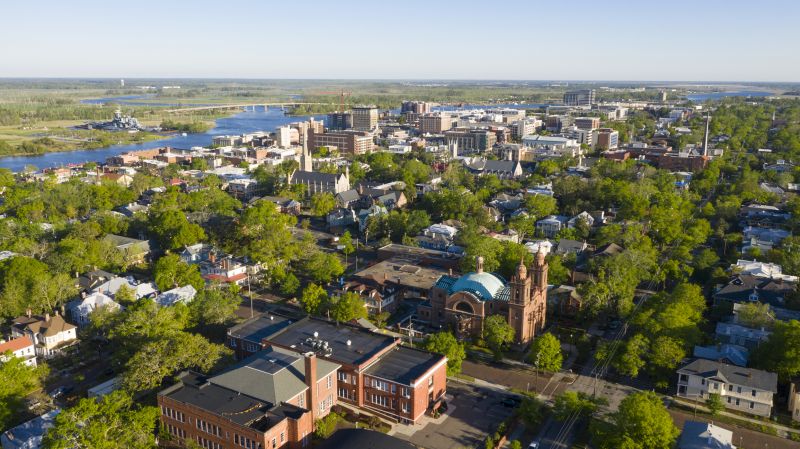
Wheelchair ramp replacement services involve removing existing ramps and installing new, safer, and more accessible options for property owners in Wilmington, NC, and nearby areas. These projects typically include replacing worn or damaged ramps, upgrading to more durable materials, or modifying existing structures to better meet accessibility needs. Homeowners often request this service when current ramps are no longer safe, do not comply with accessibility standards, or simply no longer suit their property’s layout. Understanding the scope of the replacement, the types of materials used, and the specific accessibility requirements can help property owners make informed decisions before requesting a service.
Before requesting wheelchair ramp replacement, property owners should consider the current condition of their existing ramps, including any structural damage or safety concerns. It’s also helpful to evaluate the intended use, the height of entry points, and any local building codes or accessibility guidelines that may apply. Clarifying these details can ensure the new ramp installation aligns with safety standards, fits the property’s design, and meets the mobility needs of residents or visitors. Proper planning can lead to a smoother replacement process and a more functional, long-lasting solution.
Many property owners in Wilmington, NC look into Wheelchair Ramp Replacement for repairs, replacements, upgrades, and appearance-related improvements.
Common Wheelchair Ramp Replacement Jobs
Wheelchair Ramp Replacement services involve removing and installing new ramps to improve accessibility.
Residential ramp replacement ensures safe and reliable access for homeowners and visitors.
Commercial ramp upgrades help meet accessibility standards for businesses and public spaces.
Threshold ramp replacement provides smooth transitions at doorways and entry points.
Custom ramp solutions are available to match property styles and specific mobility needs.
Old ramp removal prepares the area for a seamless and durable new installation.
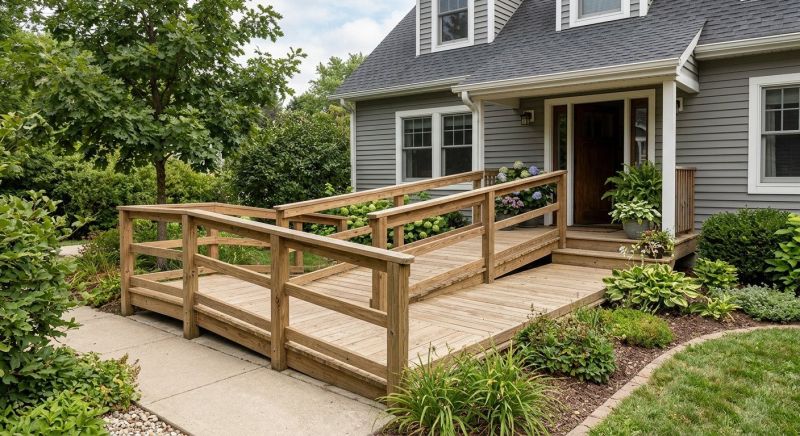
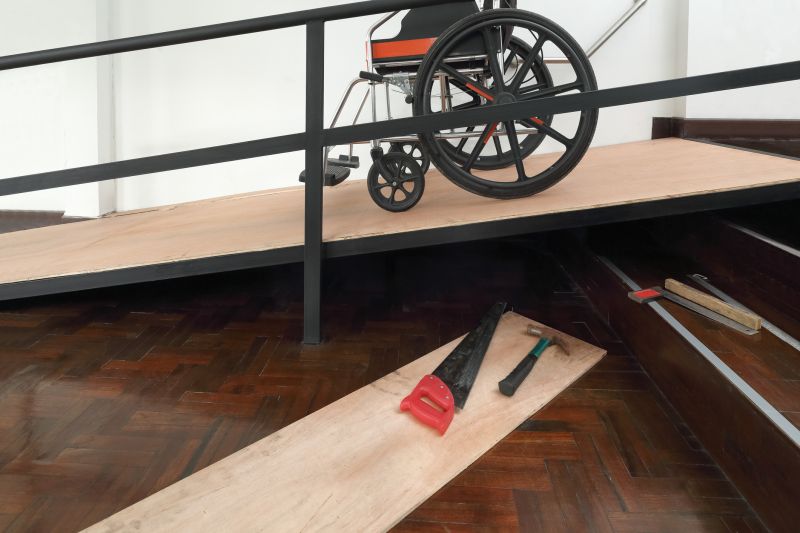
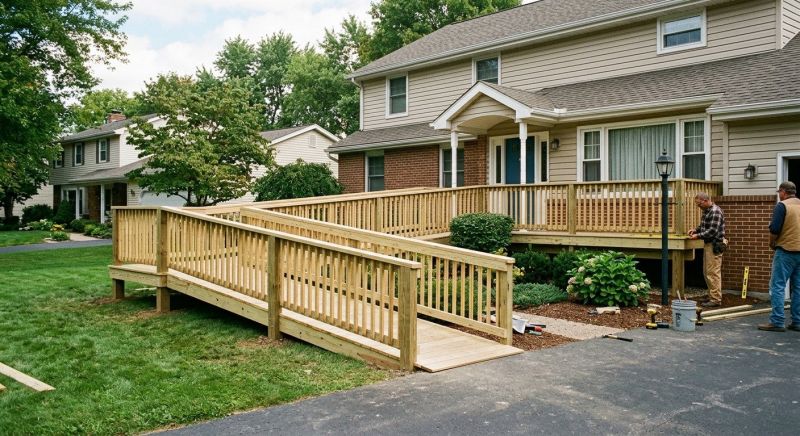
Wheelchair Ramp Replacement Questions
When should wheelchair ramp replacement be considered? Replacement is recommended when the existing ramp shows signs of significant wear, damage, or structural instability that affects safety and accessibility.
What types of ramps are suitable for replacement projects? Various options include aluminum, wood, and composite ramps, chosen based on durability, aesthetic preferences, and property requirements.
Are there specific building codes to follow for ramp replacement? Yes, ramps must meet local accessibility standards and safety regulations to ensure proper slope, handrails, and landing dimensions.
What signs indicate a wheelchair ramp needs replacement? Common signs include loose or broken components, rust or corrosion, and difficulty in maintaining a safe, stable surface for wheelchair users.
Request Wheelchair Ramp Replacement in Wilmington, NC
Use the quote form on this page to share the basics of your project and request more information for the type of work you need.